Infinite Thread Part 11: It’s time for YOU to vote for the Best of 2025!
It’s time to decide on the Best of 2025! That’s right, you get to sorta choose the official best movie, video game, book, and television for the year of 2025.
Don’t see something you think deserves the official award?

Lady Shiva cosplay by me (luna)
Tags:Cosplay, NeSFW, Sexy
Space Tags:cosplay, NESFW, sexy


Photoshoot for Maxim Magazine LA _ January 16, 2010
Tags:Kaley Cuoco
Space Tags:kaley cuoco


Featured Star Trek Starships for January 8, 2026
Tags:Starship Recap
Space Tags:Starship Recap


Jennifer Connelly as Gloria Harper in “The Hot Spot” (1990).
Tags:Jennifer Connelly
Space Tags:jennifer connelly


Reese Witherspoon
Tags:gentlemanboners
Space Tags:gentlemanboners


Trump invades Greenland….
Tags:greenland, Politics


Preview of “Star Trek: Voyager: Homecoming #4”
Tags:Comic Books, Star Trek
Here’s a preview of Star Trek: Voyager: Homecoming #4 by Susan Bridges and Tilly Bridges which is due to be released this Wednesday on January 7, 2026 at your local comic shop and digital retailers:







voyager star trek
Tags:Star Trek


FFRF: Beware health care sharing ministries — they’re not health insurance!
Tags:Freedom From Religion Foundation, HealthCare, Politics, Religion
Space Tags:Freedom From Religion Foundation, Politics, Religion

The Freedom From Religion Foundation is warning that in their quest for affordable insurance Americans should take care not to be duped by health care sharing ministries.
With premiums set to double, triple or even quadruple after the Affordable Care Act subsidies lapsed on New Year’s Day, health care coverage for more than 20 million Americans is at risk. While Congress is set to resume its fruitless debate over the issue that caused the government shutdown last fall, FFRF reminds the American public of the dangers posed by health care sharing ministries.
Imagine an insurance company that doesn’t cover routine care or medications, can drop coverage or kick someone out for almost any reason (including a preexisting condition), has a lifetime cap on benefits, isn’t regulated, doesn’t have to possess any cash reserves and can hide information about coverage, payouts, terms and conditions.
This sums up the modus operandi of health care sharing ministries. In such entities, members — who are required to share a system of religious or ethical beliefs — make monthly payments to cover health expenses of other members. Health care sharing ministries do not have to comply with the consumer protections of the Affordable Care Act, do not guarantee payment for medical claims and provide limited benefits for their members.
In short, health care sharing ministries are a form of noncompliant junk coverage. In fact, they are not insurance, so there is no guarantee that claims will be paid even for expenses that meet membership guidelines for “covered services.” They generally do not have to cover preexisting illnesses, for example. (It goes without saying that abortion and contraception coverage is a nonstarter for most of these outfits.)
Through a combination of lax regulatory structures, selective payment of benefits, religious exemptions and the high cost of medical coverage, health care sharing ministries have become extremely profitable. News stories continue to emerge about how consumers are being duped into joining these organizations.
And health care sharing ministries have been receiving legislative help. Through 2024, 30 states passed so-called safe harbor provisions, touted by the conservative lobbying group ALEC as the Health Care Sharing Ministries Freedom to Share Act. Colorado in 2022 became one of the states to buck the trend and pass laws to curb some of their most egregious practices. But federal legislation introduced by Congressional Freethought Caucus Co-Chair Rep. Jared Huffman to rein in the worst abuses has not been passed. For instance, there are no federal protections or accountability requirements for disclosure of the percentage of claims denied, financial reserves or explicit explanations about when the ministry is not required to pay claims. Until the federal government and all states pass such protections, many hurting Americans will be left vulnerable to misleading claims from health care sharing ministries, particularly because they are promoted as having far more affordable premiums.
“We greatly sympathize with the millions of Americans who have been left in the lurch by the shameful inaction of Republicans in Congress to extend the Affordable Care Act subsidies,” says FFRF Co-President Annie Laurie Gaylor. “But it’s terribly important to get out the message that health care sharing ministries are a scourge — rather than the answer to the affordability crisis.”
The Freedom From Religion Foundation is a U.S.-based nonprofit dedicated to defending the constitutional principle of separation between state and church and educating the public on matters relating to nontheism. With about 42,000 members, FFRF is the largest association of freethinkers (atheists, agnostics and humanists) in North America. For more information, visit ffrf.org.
The post FFRF: Beware health care sharing ministries — they’re not health insurance! appeared first on Freedom From Religion Foundation.


Hegemony Part 2 #01
Tags:Sexy, Star Trek, Wallpaper

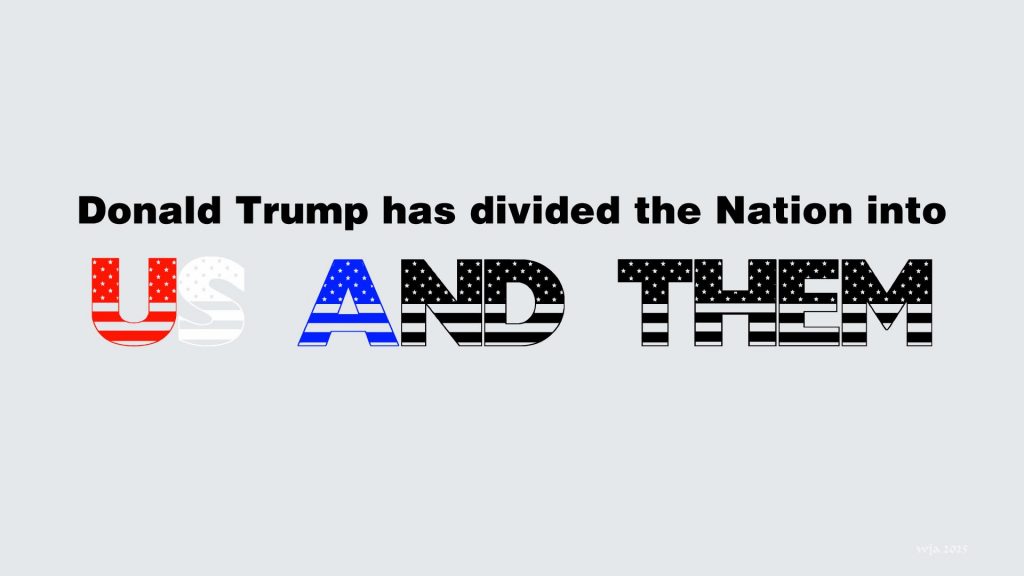
The dis-United States of America
Tags:Donald Trump, Politics


TRAFFIC
Tags:Cars, Roads, Signs

VERY NEAR MY HOME


TAYLOR
Tags:NeSFW, Sexy, Taylor Momsen

WAR CRIMES
Tags:Humor, Politics